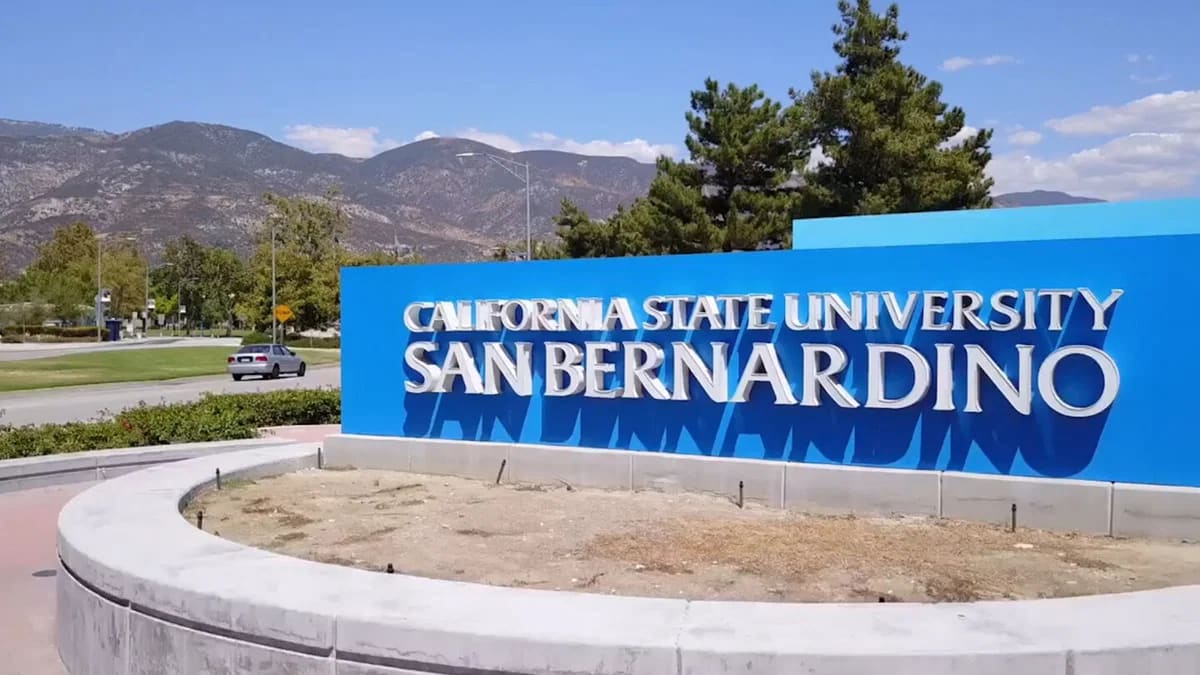
A full final bachelor year on exchange at California State University San Bernardino — a different academic system, in English, far from home.
UQAM & CSUSB · Foundation
Read systems before selling ideas.

- Role
- International business student, researcher and teaching assistant
- Period
- 2015–2021
- Business context
- Bilingual education across UQAM and CSUSB
- Remit
- Study systems, markets and cross-cultural teams
- Decisions
- Evidence before recommendation; compare perspectives
- Result
- A repeatable analytical operating habit
- Evidence status
- Degree/coursework + redacted project extracts
Every other chapter on this site stands on this one. I studied international business at UQAM — the Université du Québec à Montréal — working in French and English, and spent my final bachelor year on exchange at California State University San Bernardino. The research projects from those years, from SAP's global virtual teams to Spotify playlist behavior, built the habit I still work by: understand the system first, then recommend the move. All of it sits inside a longer path — Brazil, Switzerland and France, Canada, the UK, Spain, the US, and now Switzerland again.
The numbers
What the foundation holds.
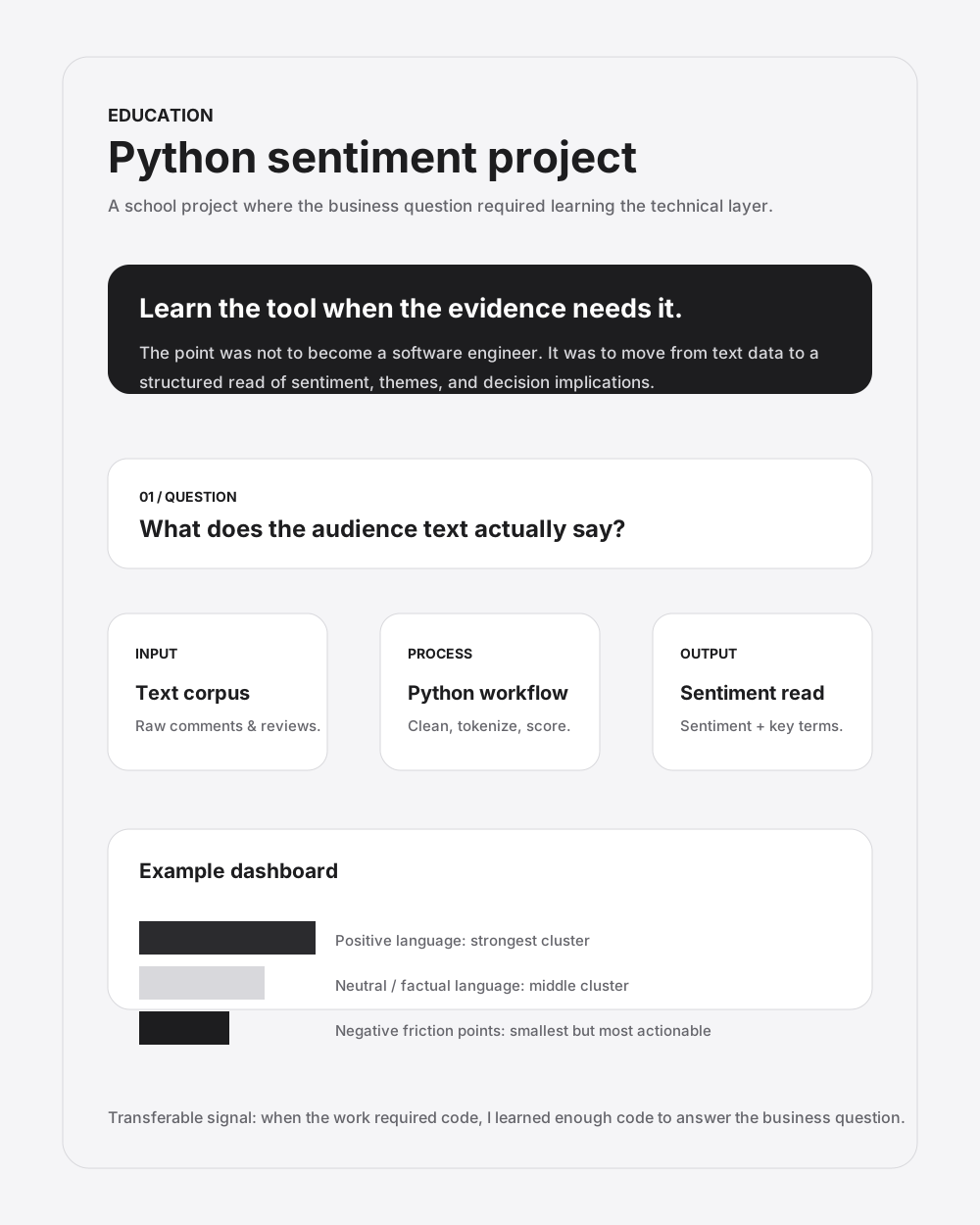
A sentiment-analysis school project where I learned enough Python to turn raw text data into structured insight.
Coursework, research, and presentations delivered in both French and English at UQAM Montreal.
Strong academic results across the international-business bachelor's and master's path; no unsupported cohort rank is claimed.
Teaching assistant for Professor Thomas Leblond's course at UQAM.
The story
A base layer, not a headline.
The professional signal on this site comes from the later chapters — the enterprise work, the music catalogs, the brand mandates. But those chapters keep returning to the same moves: gather context, compare signals, understand the stakeholders, and close with a recommendation someone can act on. That method was built at UQAM, studying international business, consumer behavior, ethics, and market-entry logic in a bilingual academic environment.
The research projects were the training ground. I worked on how SAP runs global virtual teams, how playlist behavior shapes listening on Spotify, whether Starbucks should enter India and how, what chatbots change in customer relationships, and how brands should manage themselves after COVID. Different industries, same discipline: none of these projects ended with a summary — each one had to end with a position.
The final bachelor year moved that discipline to California, on exchange at CSUSB from September 2017 to May 2018. Together with the wider path — growing up in Brazil, time in Switzerland and France, Canada, the UK, Spain, the US, and Switzerland today — it explains why reading unfamiliar contexts quickly became the constant across everything that followed.
Standout signals
Four things from those years that still show up in my work.
01 · Exchange year
Take the final bachelor year to another system.
The CSUSB exchange was a full academic year — September 2017 to May 2018 — inside a California business-school culture with different classroom norms, different grading logic, and no safety net in my first language. It was another layer of adaptation before the later Montreal, London, Geneva, and corporate chapters, and the first proof that I could land in an unfamiliar system and perform inside it.
02 · Technical learning
Learn Python because the question needed it.
One school project required sentiment analysis, so I learned enough Python to get from a business question to text analysis and back to a recommendation. The point was never to pass as an engineer — it was that when the evidence needs a technical layer, I go learn the technical layer instead of scoping the question down to what I already know.
03 · Method
End every research project with a recommendation.
SAP global virtual teams, Spotify playlist behavior, Starbucks and India, chatbots, post-COVID brand management — every project ran the same route: context, signals, stakeholders, position. That habit of turning research into something a decision-maker can use is the thread connecting the school years to the SAP, Opella, music, and luxury chapters that came after.
04 · Teaching assistant
Move from learning a framework to helping make it understandable.
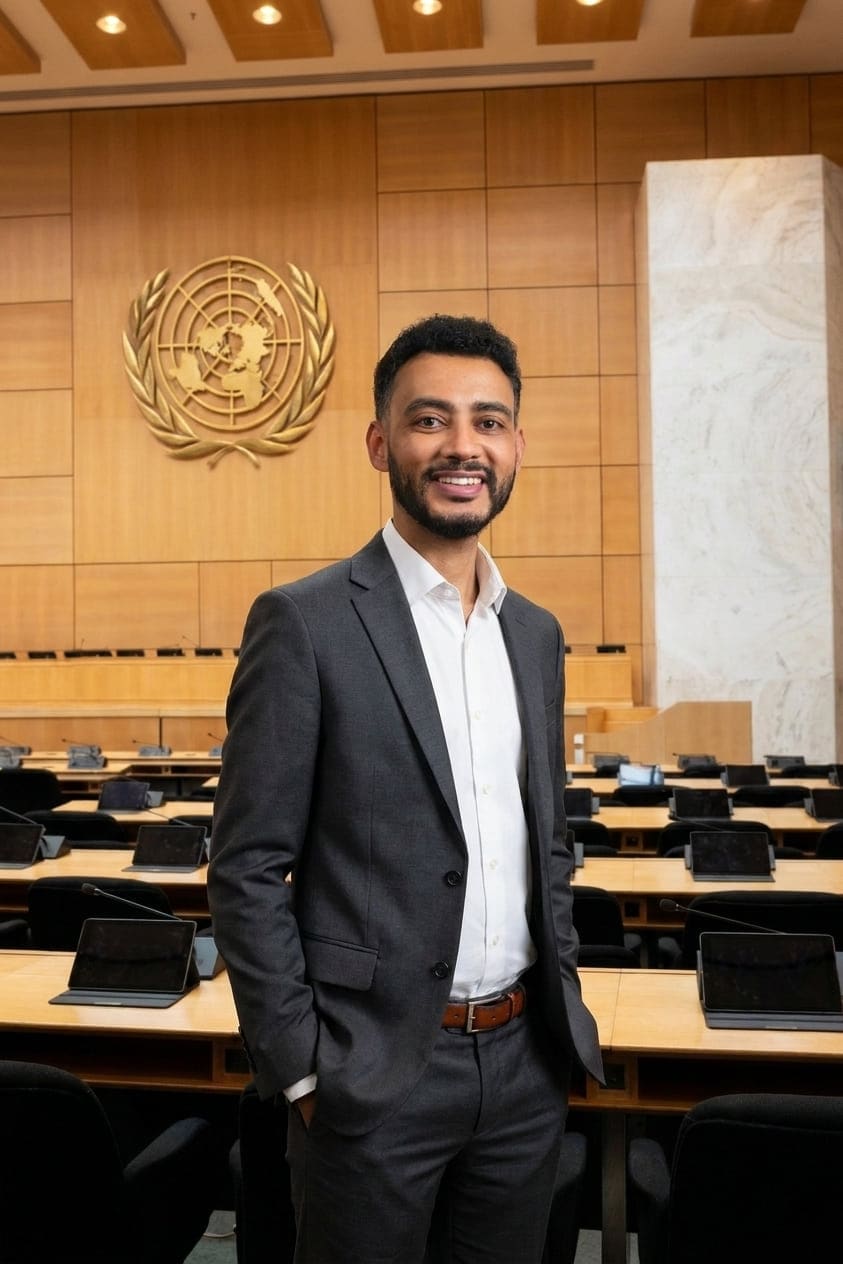
I was teaching assistant for Professor Thomas Leblond's Intercultural Marketing course. The appointment is an important bridge in the story: cross-cultural work was not only something I studied; I was also trusted with a role inside the learning environment where those ideas were taught.
Proof you can check
Where to see the material.
“Henrique is a student who stands out from the other students because of his ambition and determination to achieve his goals.”
Where this transfers
What this foundation carries into every mandate.
- Research discipline
- Consumer-behavior reading
- Market-entry analysis
- French–English work
- Learning tools on demand
- Structured recommendations
- Teaching & facilitation
Hiring next step
See how this work fits your brief.
The hiring brief shows where this experience creates the most value, with the boundaries and evidence useful to your decision.