The Mind Your Own Business course in London — a week of artist-management and catalogue-operating logic taught by working operators.
Music IP · Catalogue research
Read a song as an asset.
- Role
- Catalogue research and management education
- Period
- 2018–2021
- Business context
- Songs treated as rights and data assets
- Remit
- Research, data matching and translation
- Decisions
- Asset map, metadata checks and value questions
- Delivered
- Reusable catalogue-research framework
- Evidence status
- Published guide + sanitized research map
A song is one of the strangest assets there is: it earns money every time it is streamed, synced, covered, or performed, yet most people cannot say what it is worth or why. This chapter is how I learned to read that asset class — first inside Amy Thomson's Mind Your Own Business course in London, then through Hipgnosis-linked catalogue assignments in 2021, and along the way by translating her music-management guide into French.
The numbers
The shape of the chapter.
How many music-industry professionals the course gathered — managers, label people, and artists learning the same operating material.
The window of Hipgnosis-linked work: catalogue research, data matching, online research, catalogue-management workflows, and missing-royalty logic.
Hipgnosis-linked research and data matching; no fund-scale portfolio value is presented as my remit.
The story
An abstract asset class, and the person who taught me to read it.
Some context first, because this world is unfamiliar to most readers. Hipgnosis Songs Fund was one of the companies that turned songs into an investment category: it bought catalogues — the rights to songs — and managed them for royalty income. Amy Thomson, known publicly as the former manager of Swedish House Mafia, later held a senior catalogue role there. That public context explains the discipline behind the assignments without implying that I managed the fund or its portfolio.
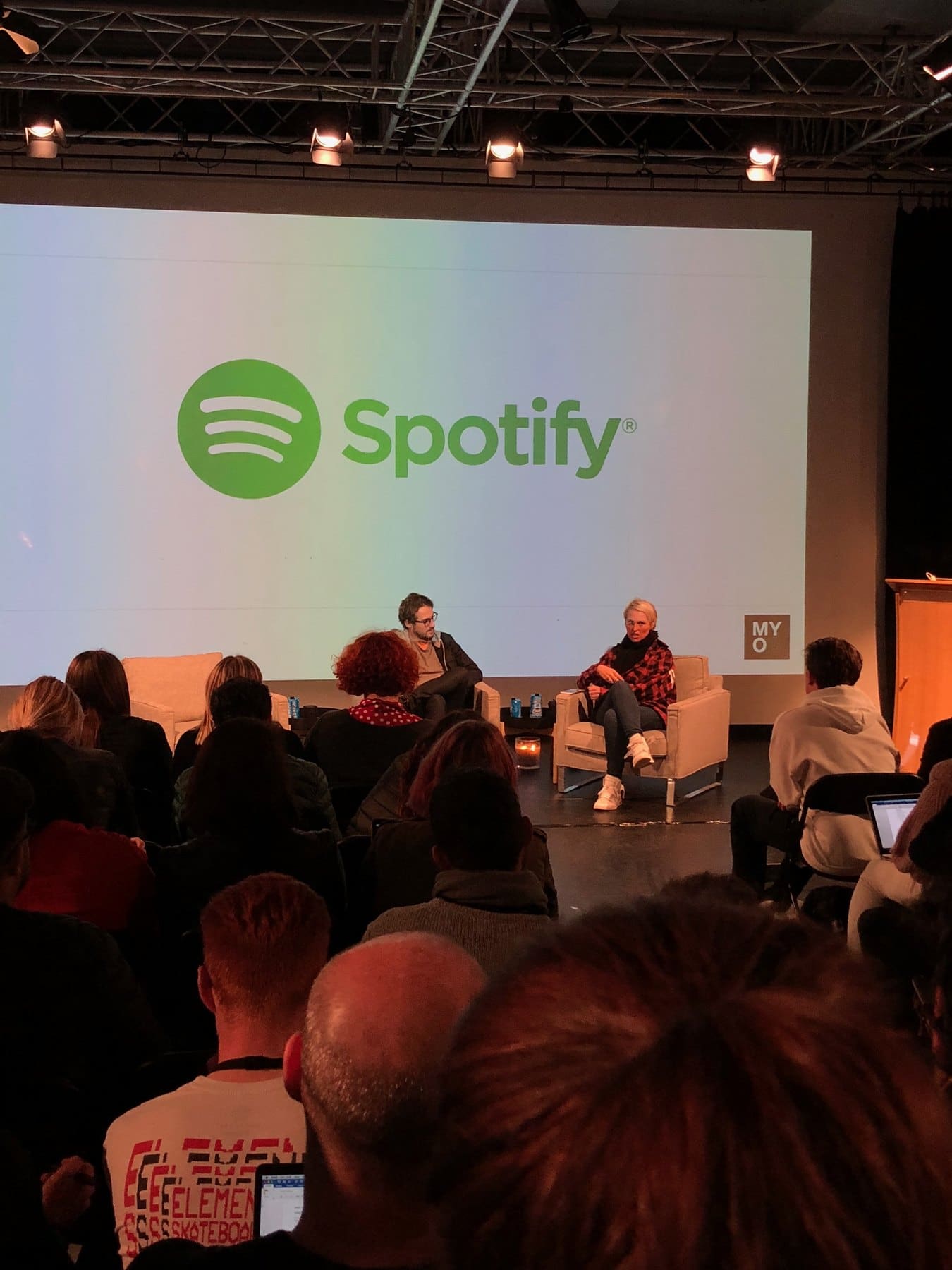
My route in was her classroom. In October 2018 I spent a week in London inside Mind Your Own Business, her course for 150+ music professionals on how management, contracts, catalogues, and strategy actually work. That week turned into a working relationship: from January to April 2021 I took on Hipgnosis-linked assignments — researching catalogues, matching data across sources, running online research, working inside catalogue-management workflows, and applying the logic used to find royalties that never reached the songwriter.
In parallel, I translated Amy's music-management guide into French — a text MYOB has since published. Between the coursework, the catalogue assignments, and the translation, the chapter left me with one durable skill: taking an asset class most people find opaque and making it something a non-specialist can actually evaluate.
What I did
Course, translation, catalogue work.
01 · The operating view
Learn music management from the people who run it.
The MYOB week in October 2018 replaced the fan's view of music with the operator's: contracts, strategy, catalogue thinking, and how a manager protects an artist's rights over decades. Amy's public track record — Swedish House Mafia management, then senior catalogue work at Hipgnosis — is what made the classroom material credible rather than theoretical.
It was a serious room in every sense. The course notebook was designed for our cohort by Virgil Abloh, and the proceeds were donated to the Leonardo DiCaprio Foundation — DiCaprio himself publicly thanked the class for the contribution to climate action.

02 · The translation
Carry the same thinking into French.
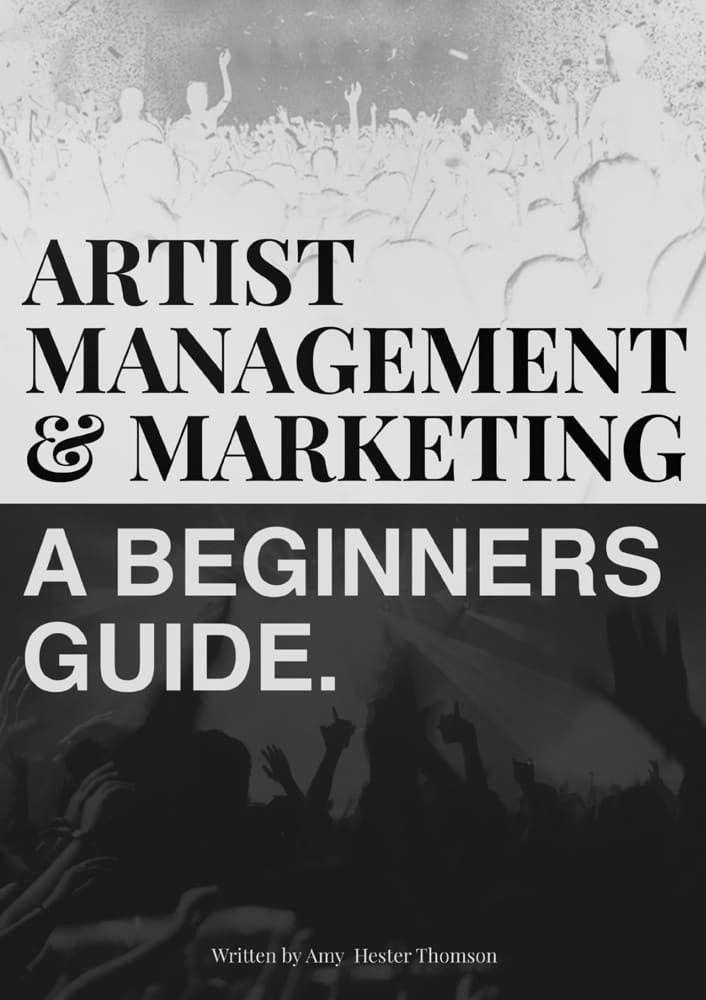
After the London class, Amy wrote a guide around the material we covered and more. I co-translated it into French with two others — work that demanded clarity over literal word replacement, because a French artist reading about publishing splits or management contracts needs the meaning to survive, not just the sentences. MYOB has since published the French edition.
03 · The catalogue work
Treat each song as rights, data, usage, and future income.
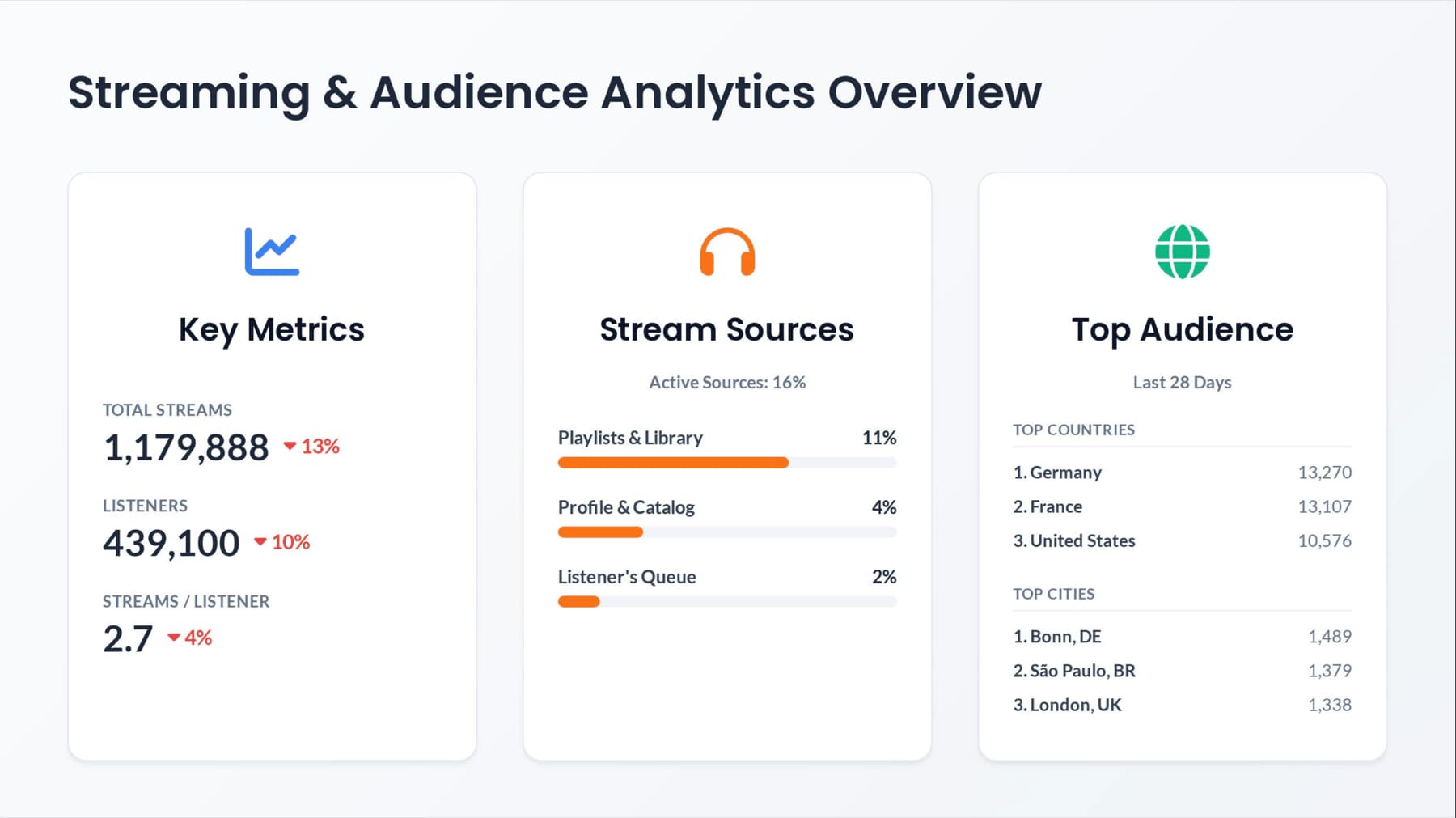
From January to April 2021, the Hipgnosis-linked assignments made the asset logic concrete. A catalogue is not a playlist: every song carries writers, splits, registrations, usage histories, and — often — royalties that were earned but never matched to their owner. My work was the research and data-matching layer: tracing what a catalogue contains, reconciling it across sources, and following the logic of where missing money hides.

Direct reference
In their own words.
“He is methodical, meticulous and his work shows a constant rigor.”
Proof you can check
Public traces of the work.
Where this transfers
What this chapter proves beyond music.
- Making abstract assets legible
- Catalogue & rights research
- Data matching across sources
- Royalty & revenue logic
- Translation with meaning intact
- Learning from operators fast
Hiring next step
See how this work fits your brief.
The hiring brief shows where this experience creates the most value, with the boundaries and evidence useful to your decision.