Belgium market value decline referenced in the deep dive.
Case 02 · Consumer healthcare
Sanofi / Opella: turning Dulco market evidence into brand action.
This case shows how I connected market analysis, HCP leave-behinds, media assets, live website content, and cross-functional coordination across DulcoLax and DulcoSoft. The work was not only to understand the category. It was to make the next action clear.
Dulco value growth while the wider market was declining.
Value growth, with +4.3% unit growth against a weaker osmotic segment.
DulcoLax Tabs called out as the hero SKU in the Belgium deck.
Austria web impressions, with mobile-heavy behavior informing content decisions.
How to read the proof
The useful skill is making regulated healthcare work usable across teams.
Belgium material translated category decline, brand resilience, SKU roles, and competitor movement into a decision layer.
The Dulco leave-behind framed product education for GPs, pharmacists, sampling, and recommendation behavior.
The live DulcoLax Switzerland site and constipation article show writing, localization, SEO, web, regulatory, and brand-team alignment.
The ad, media plan, and product assets connect consumer education with a concrete launch system across channels.
The situation
The Dulco portfolio could not be managed as a simple performance table. Value, volume, segment movement, SKU contribution, consumer misconceptions, HCP relevance, regulatory boundaries, media timing, and website behavior all mattered at the same time.
What I contributed
I helped organize that complexity into work teams could act on: where the category was declining, where DulcoLax and DulcoSoft were holding or growing, which SKUs deserved attention, how HCP material should explain the recommendation logic, and how web, media, sales, agency, regulatory, and brand inputs needed to line up.
What it shows
I can work with data without making the output feel cold. My strength is connecting numbers to decisions, messages, audience behavior, stakeholder coordination, and the next practical action.
The work showed up in market, not only in decks.
The strongest proof is the connection between the strategy documents and the public-facing work: website, article, ad, product education, and the team rhythm behind it.
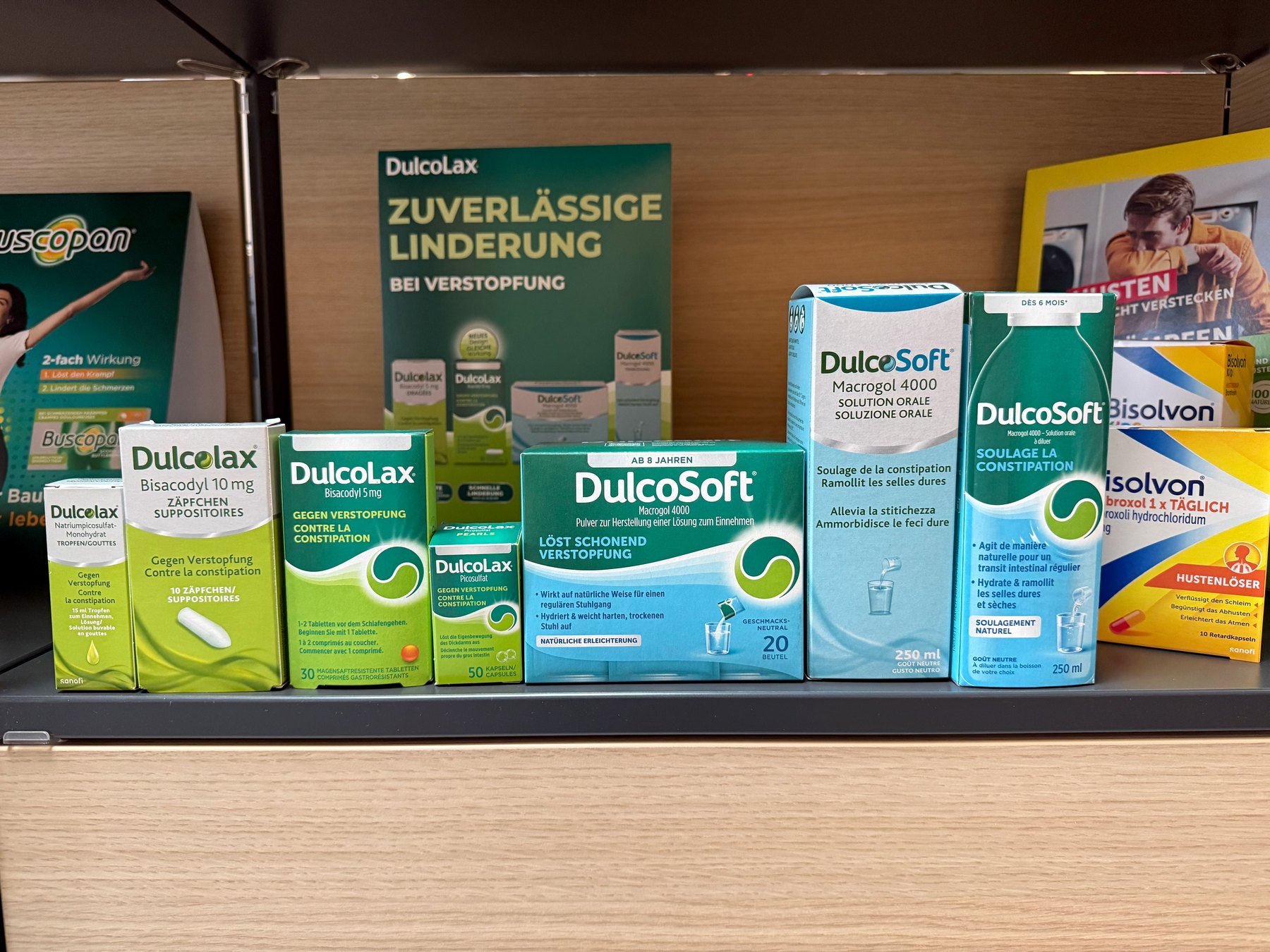
A shelf-level view that makes the constipation-care portfolio tangible: products, claims, packaging, and retail reality.
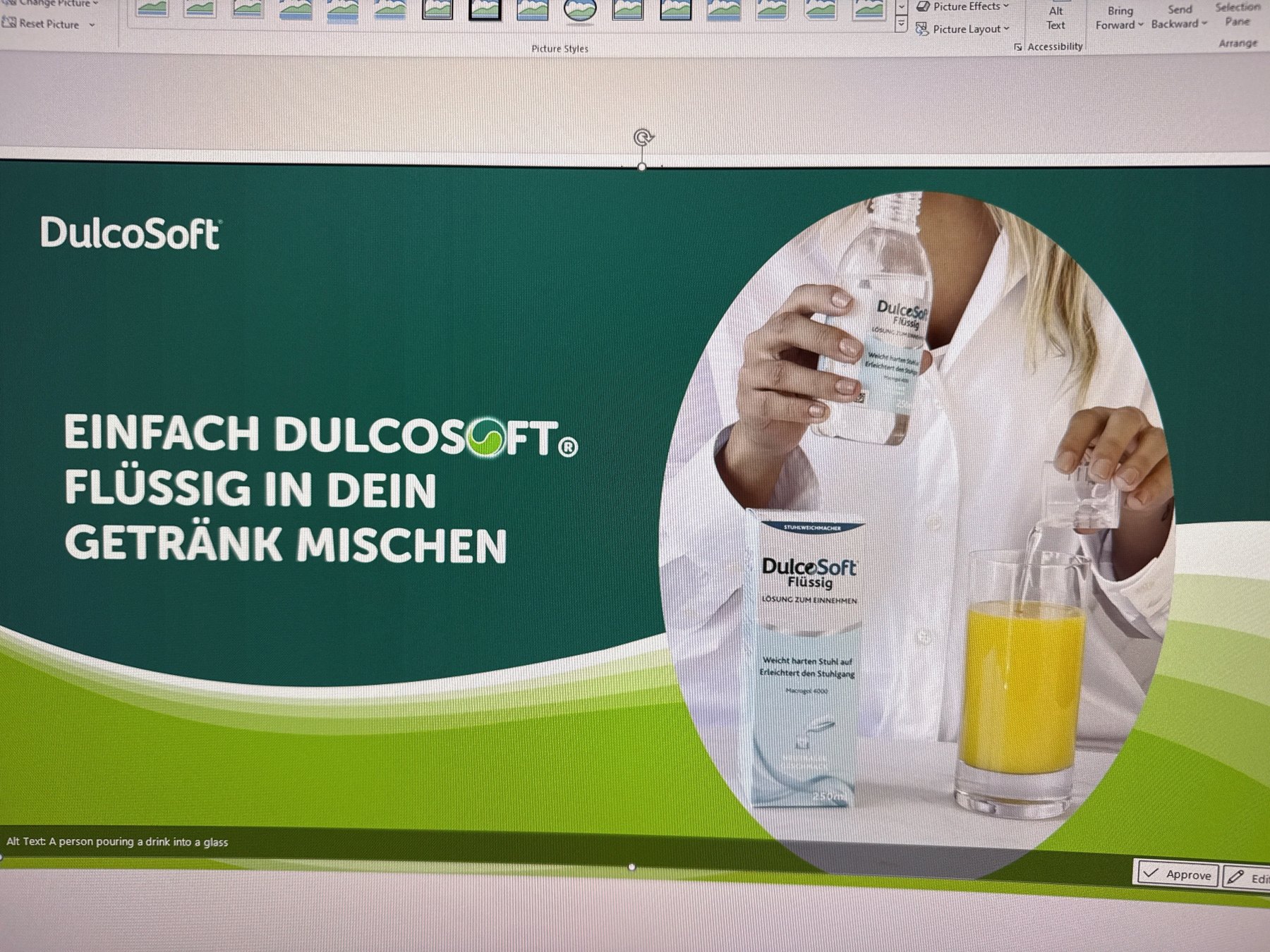
A concrete example of portfolio messaging moving from planning into in-market communication.

From left to right: Opella Switzerland's GM, me, Head of Sales, and colleagues from sales and brand teams.
The operating layer is the story.
The page should not feel like random artifacts. Each visual below maps to a real workstream: strategy, HCP education, web content, paid media, and cross-functional delivery.

Market performance, brand movement, SKU drivers, competitor shifts, activation plan, and media plan in one commercial narrative.
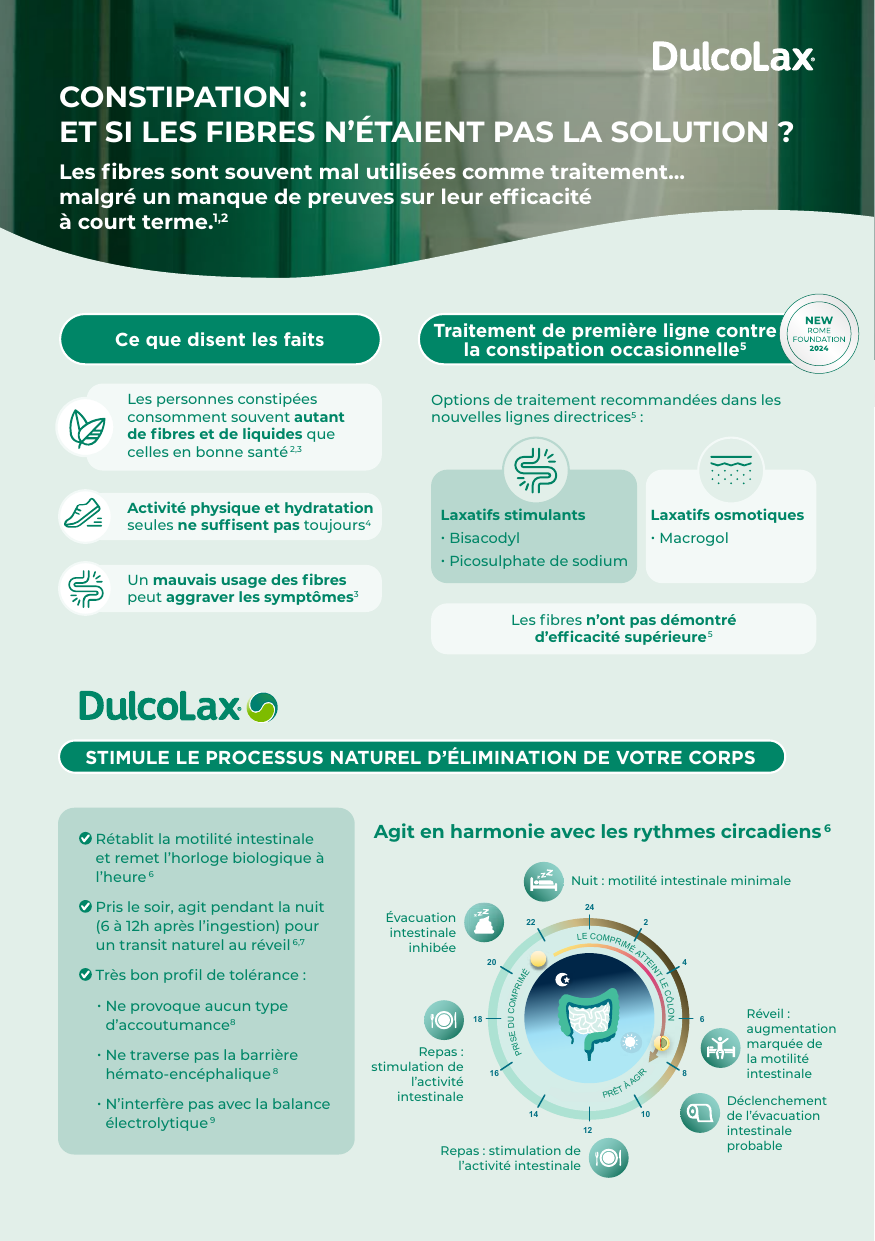
The four-page leave-behind turns clinical, consumer, and product reasoning into practical GP and pharmacist education.

Generated visual representing the planning layer: charts, product roles, review steps, and next actions.

The live constipation article reflects the work behind consumer education: copy, translation, regulatory care, and web coordination.

Generated visual for the orchestration layer that turns strategy into something teams can approve and ship.
The ad and website make the point visible: the work became live market communication, not only internal planning.
This is the clearer message: I can move from market evidence to regulated content, agency coordination, HCP material, and public-facing execution.
Turn decline, segment shifts, and competitor movement into a clean commercial point of view.
Move between consumer education, HCP logic, brand language, and multilingual web content.
Bring sales, regulatory, agencies, web teams, and global brand inputs into an executable plan.
Connect internal strategy with public-facing assets, media activity, and performance learning.