First international touring chapter packaged into proof for bookers, partners, and audience growth.
Case 04 · Music management
RIVO / Emie: building the system around an artist before the market caught up.
This case does not ask the reader to already know RIVO, Emie Management, ADE, or the electronic-music scene. It shows the practical work behind an artist project: identity, releases, radio and PR, tour communication, contracts, content, audience proof, and the cultural access that helped the project become legible to partners.

Listeners shown in the later RIVO Wrapped archive, used as trajectory context.
Streams shown in the same Wrapped proof, framed carefully as project momentum.
Public remix-stream context, included to show where the early artist system later pointed.
Current trajectory
Where the artist project later went.
The point is not to claim that one early contributor owns an artist's later success. The point is to help an employer understand why the early infrastructure mattered: the project later grew into a much larger public profile.
RIVO's verified Bandsintown profile currently references 25 upcoming shows, 15,089 followers, four weeks at number one on Beatport, more than 3.5B TikTok views, and over 220M Spotify streams for the Disclosure "You & Me" remix.
That is why the Hipgnosis / Amy Thomson chapter matters. It explains where part of the operating lens came from: songs as assets, audiences as evidence, and industry relationships as infrastructure, not decoration.
How to read the story
The useful story is not celebrity proximity. It is contribution inside a cultural operating system.
Logos, portraits, visual guidelines, and merch-style assets made the project feel more intentional.
Press kits, PR text, interview material, and release stories show the communication layer around the music.
Streaming and Spotify Wrapped materials show momentum, while staying clear that no one person owns an artist's full result.
Radio, festival, backstage, Amy/MYOB, and artist-network material show cultural fluency without making famous names the point.
Archive evidence
What the work actually built around the artist.
The best way to read this chapter is through the materials themselves: identity assets, release communication, tour proof, and scene access working together so a young artist could be understood by bookers, labels, media, collaborators, and fans.
Press kits, portraits, visual guidelines, and merch-style assets made the project legible before partners had the full story.
Release posts, PR language, radio context, bookings, contracts, and outreach gave each song a practical route through the market.
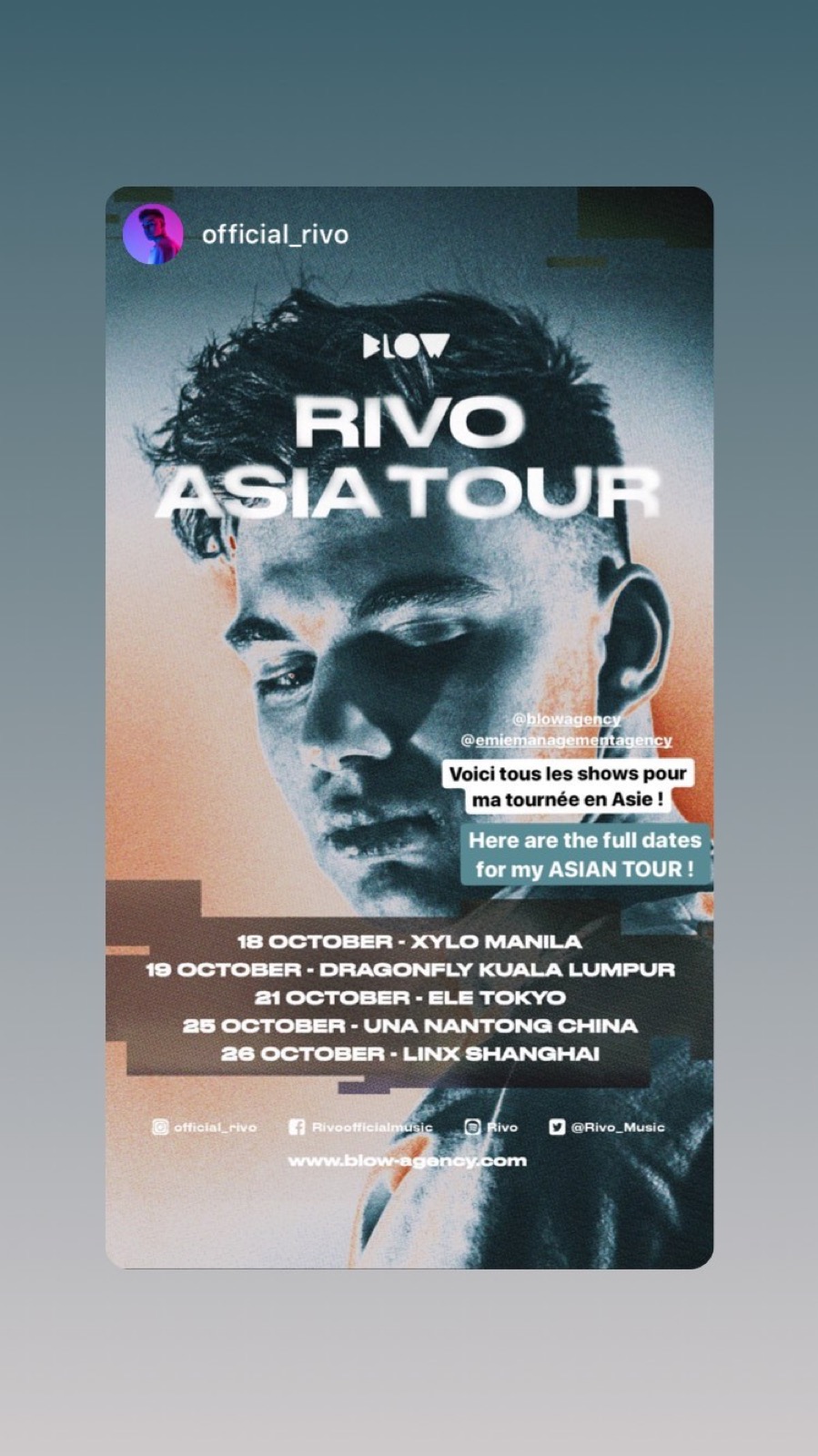
The Asia tour turned an emerging artist narrative into visible evidence that bookers and later partners could understand.
ADE, radio rooms, backstage moments, and artist relationships mattered because credibility in music is built through real proximity and trust.
The situation
The project needed the infrastructure that makes an artist readable before the outside world fully understands them: a coherent visual identity, release material, press language, proof of traction, booking communication, and coordination between collaborators. In practice, that meant applying a catalogue-and-network mindset from the Amy, MYOB, and Hipgnosis chapter to the messier reality of artist development.
What I contributed
I helped with artist positioning, press kits, release support, visual guidelines, tour planning, interview and PR writing, contracts and split-agreement context, radio and festival outreach, and the social evidence that made the project easier to present to partners, media, bookers, and audiences.
What it shows
I can work in creative environments where taste matters, but so does organization. The value is not pretending to be the artist or claiming all outcomes. It is helping the artist project become easier for partners, listeners, bookers, and collaborators to understand, while staying organized enough to keep the business side moving.
Making the artist project legible to partners.
The artist name alone does not mean much to an outside employer. The useful story is the work behind the visibility: turning releases, tour moments, visuals, radio moments, and proof into a project others could understand and take seriously.

A studio/process frame that keeps the case grounded in infrastructure, preparation, and coordination rather than surface visibility.
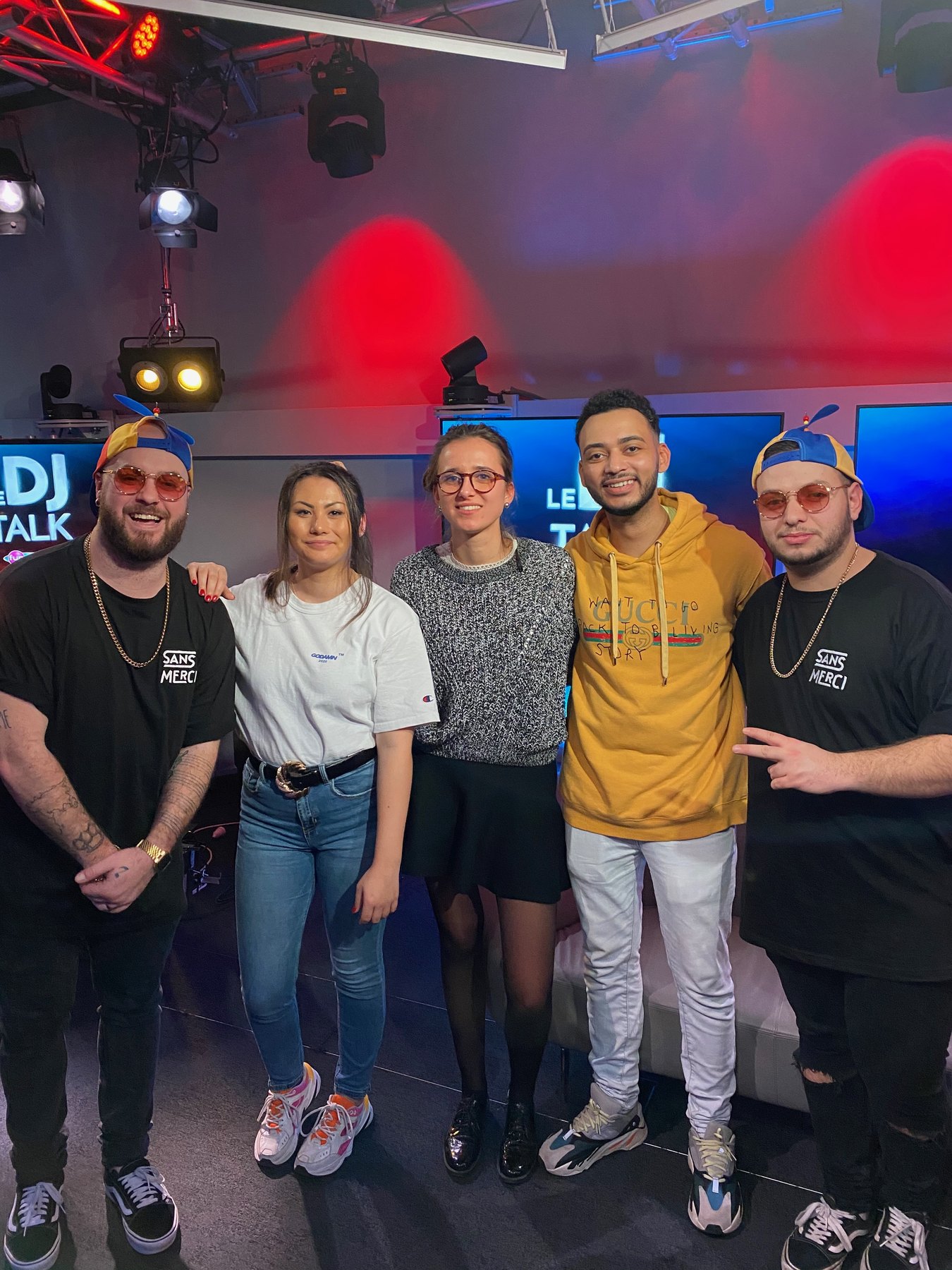
Radio and interview material show the communication layer around the artist, not just the music release itself.
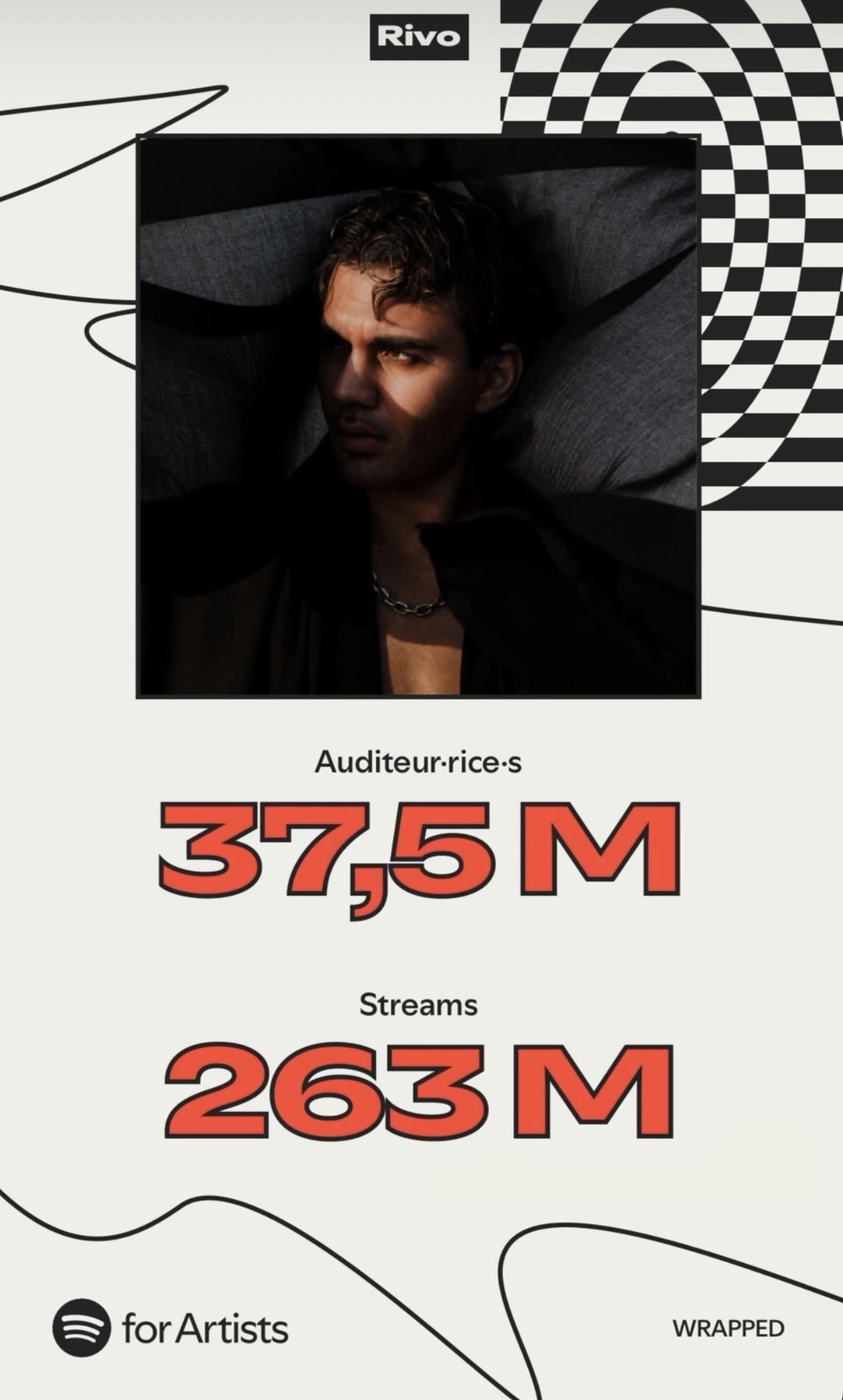
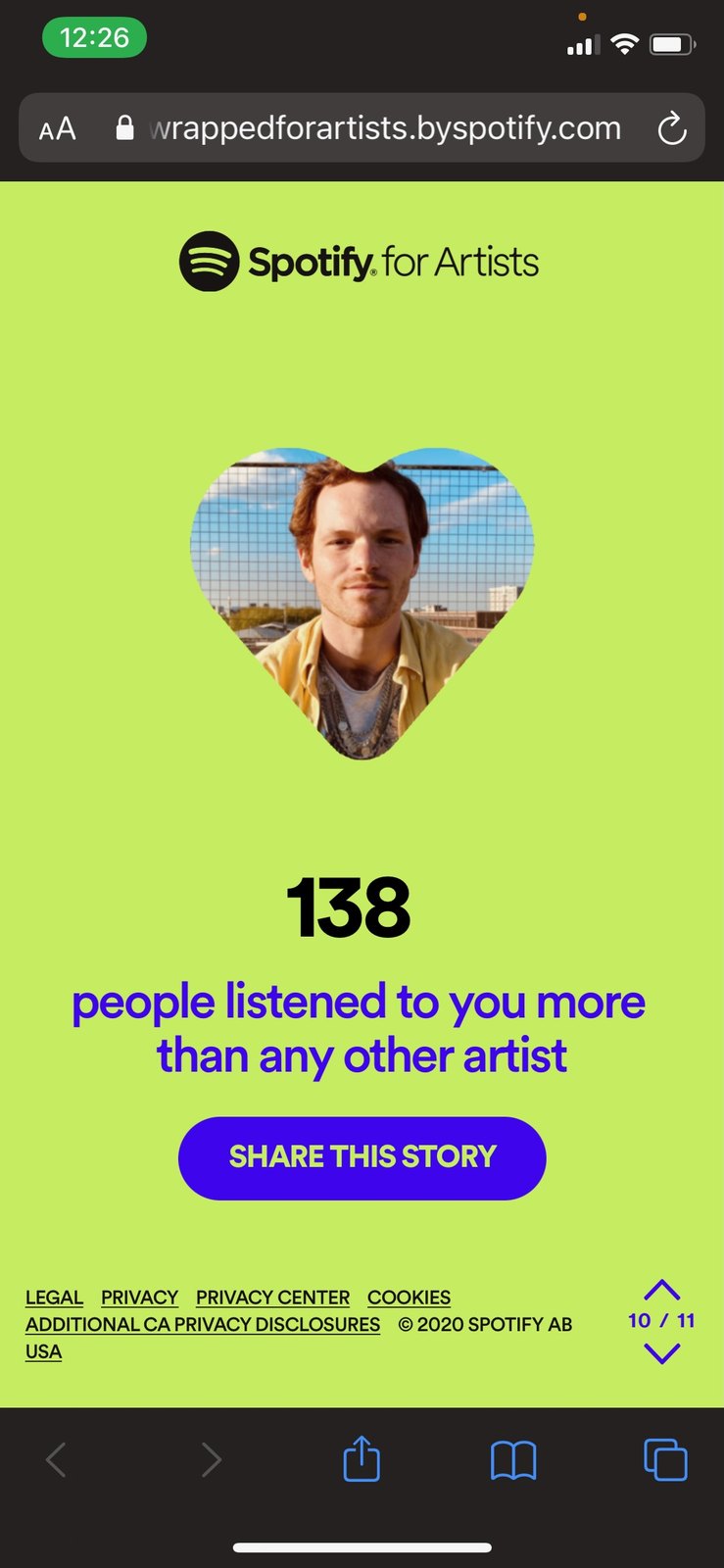
Spotify Wrapped gives the case a clearer scale: listeners, streams, and audience reach.
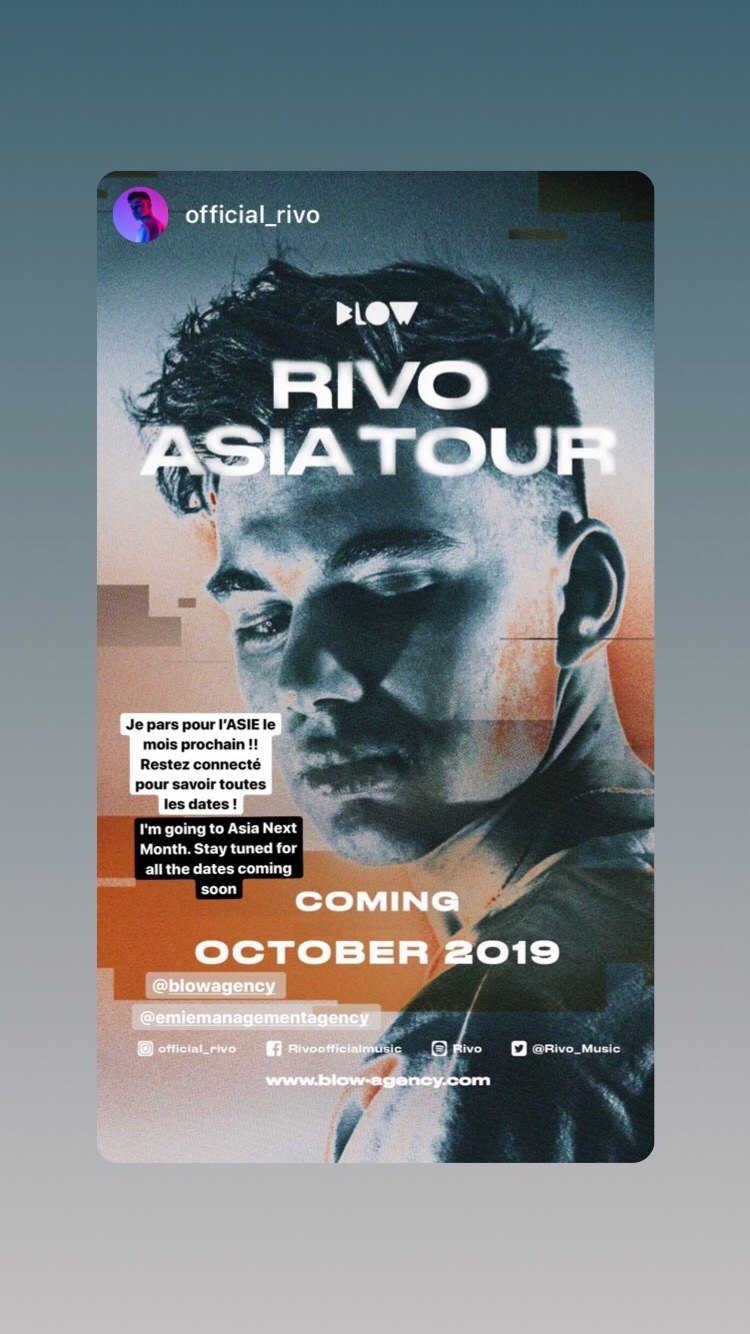
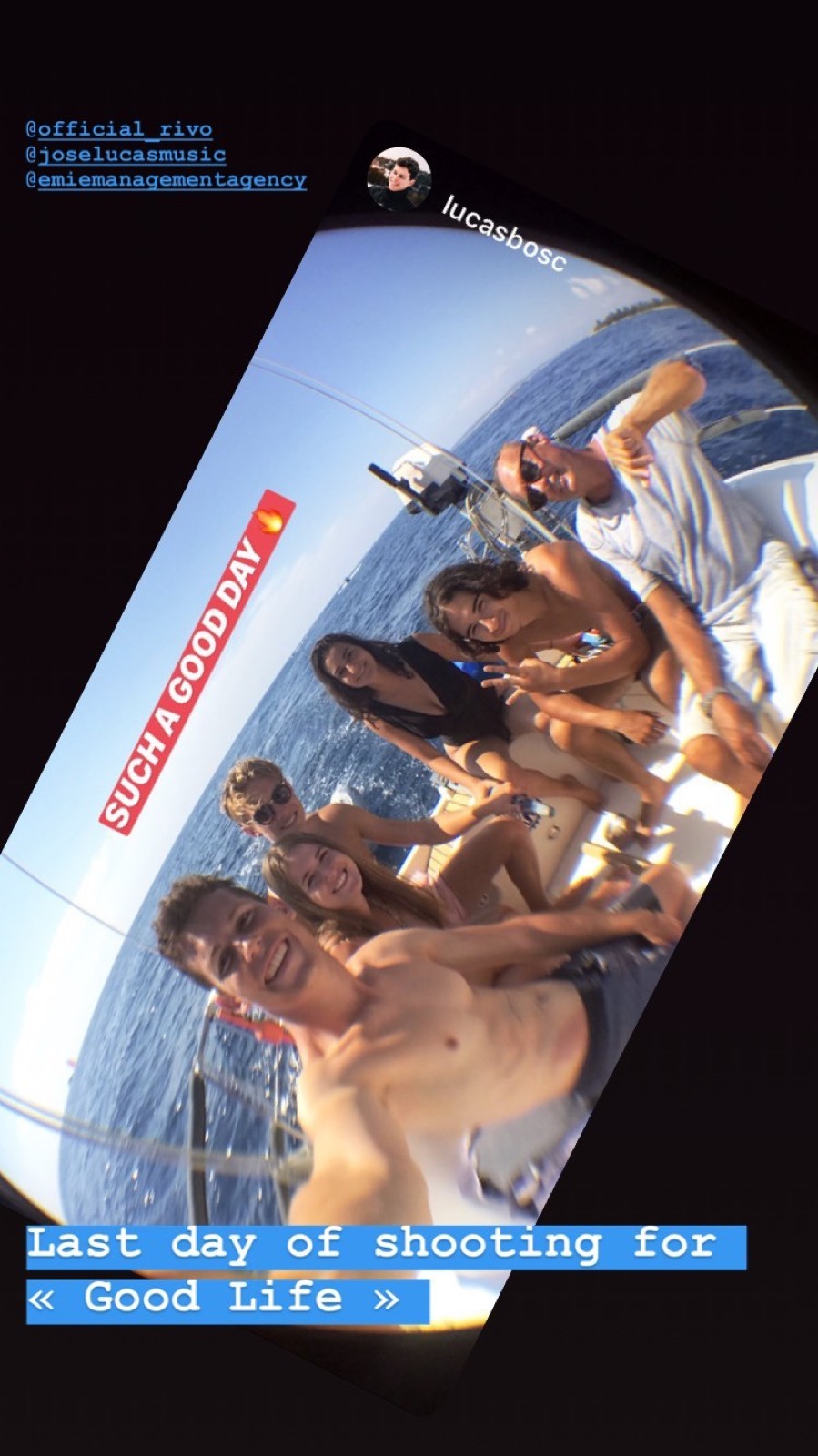
Shows how a touring moment was packaged as a readable story for audiences, partners, and media.
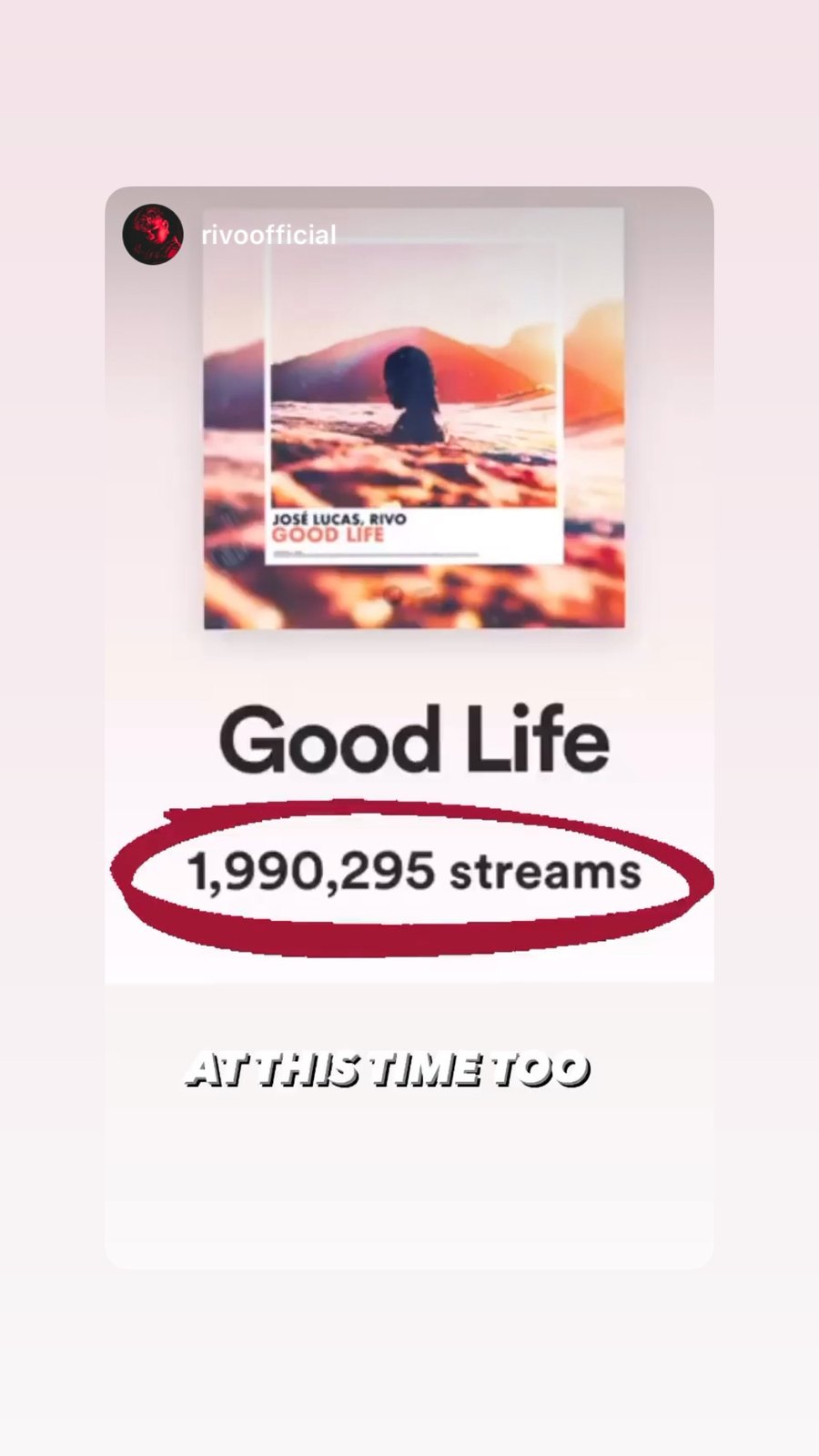
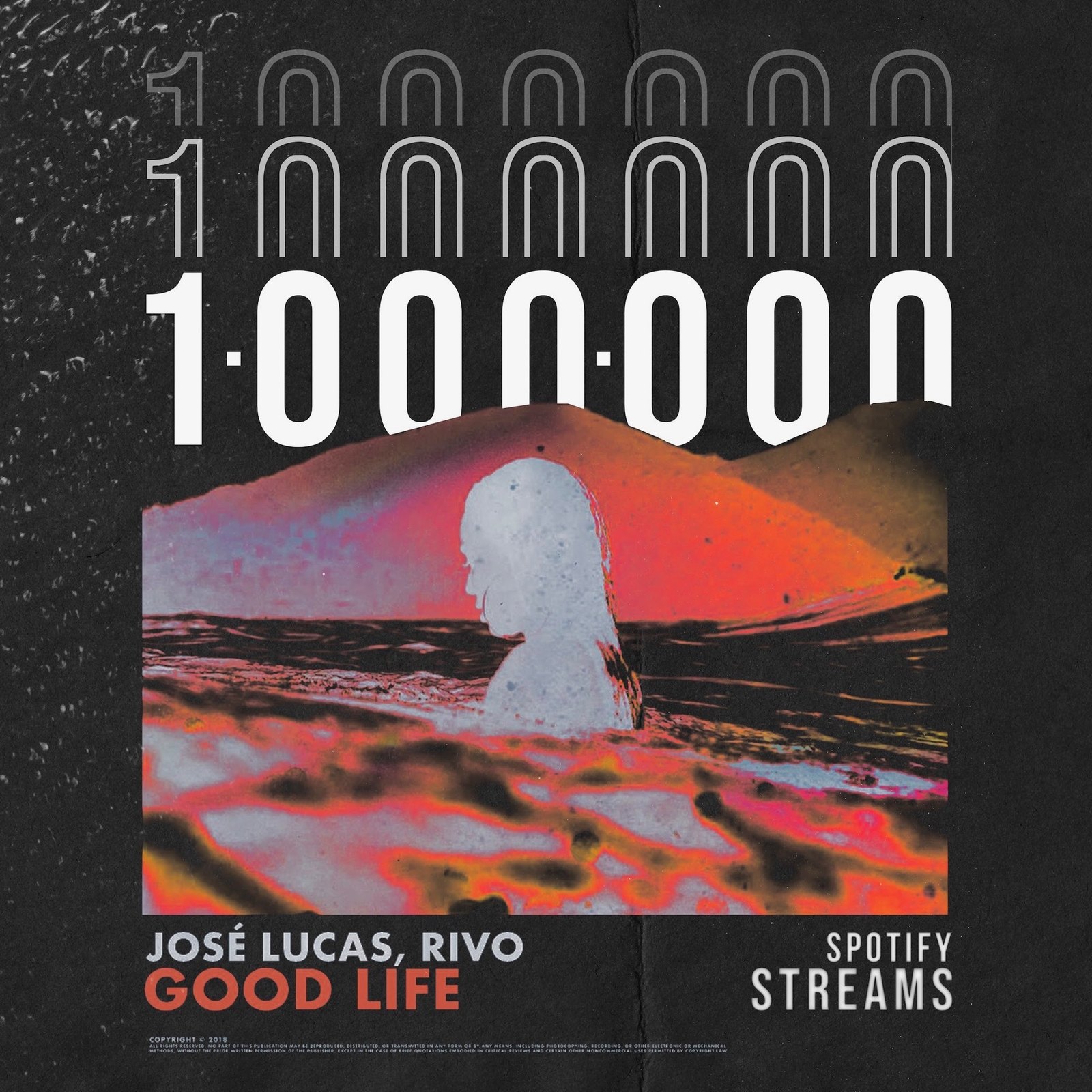
The stronger proof is the accumulated traction around a specific release, presented as campaign context rather than personal ownership.

A polished performance frame that shows how content, identity, and release support worked together.
The wider artist ecosystem also mattered.
Some of the archive is valuable because it shows the rooms around the work: radio, festival backstage, artist relationships, and a sense of what credible cultural proximity looks like. These assets should support the story, not replace the explanation of actual contribution.
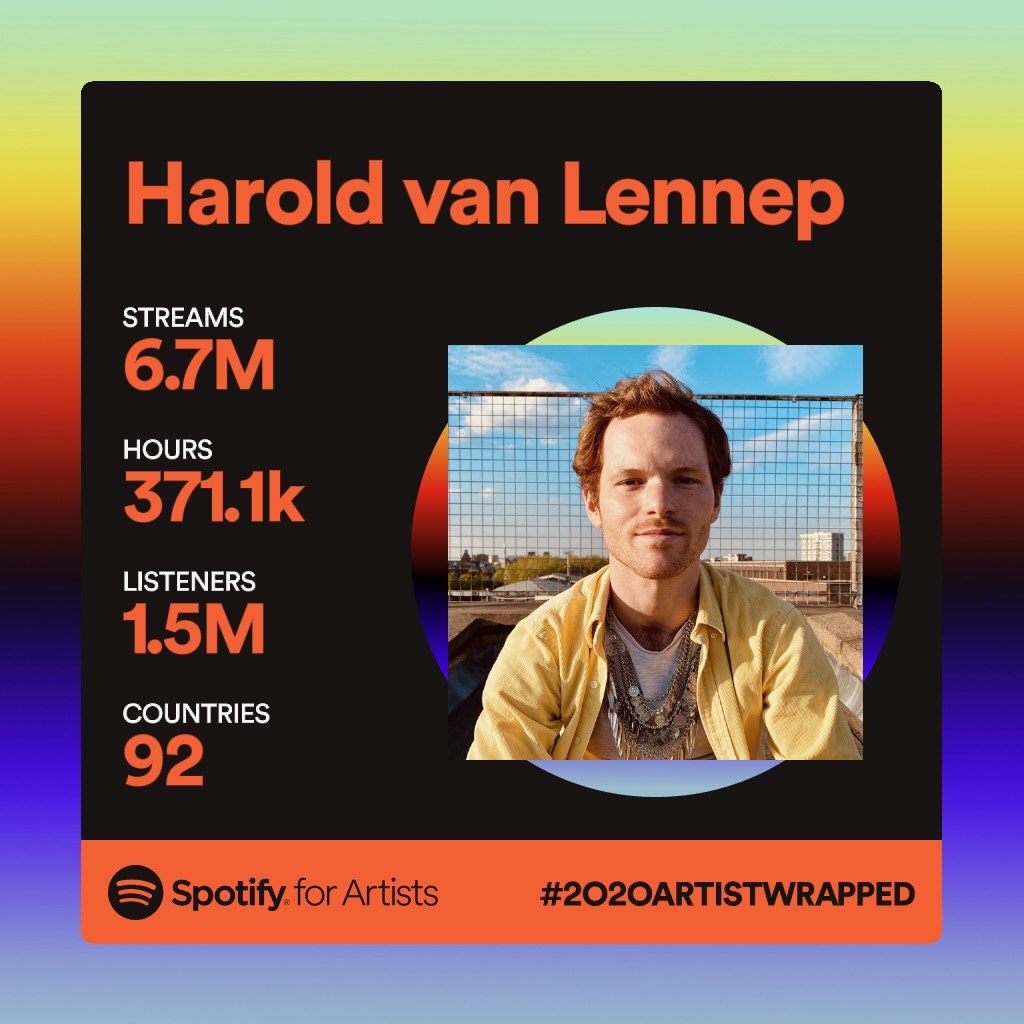
Shows the wider management and electronic-music context around the archive, separate from any claim of sole ownership.
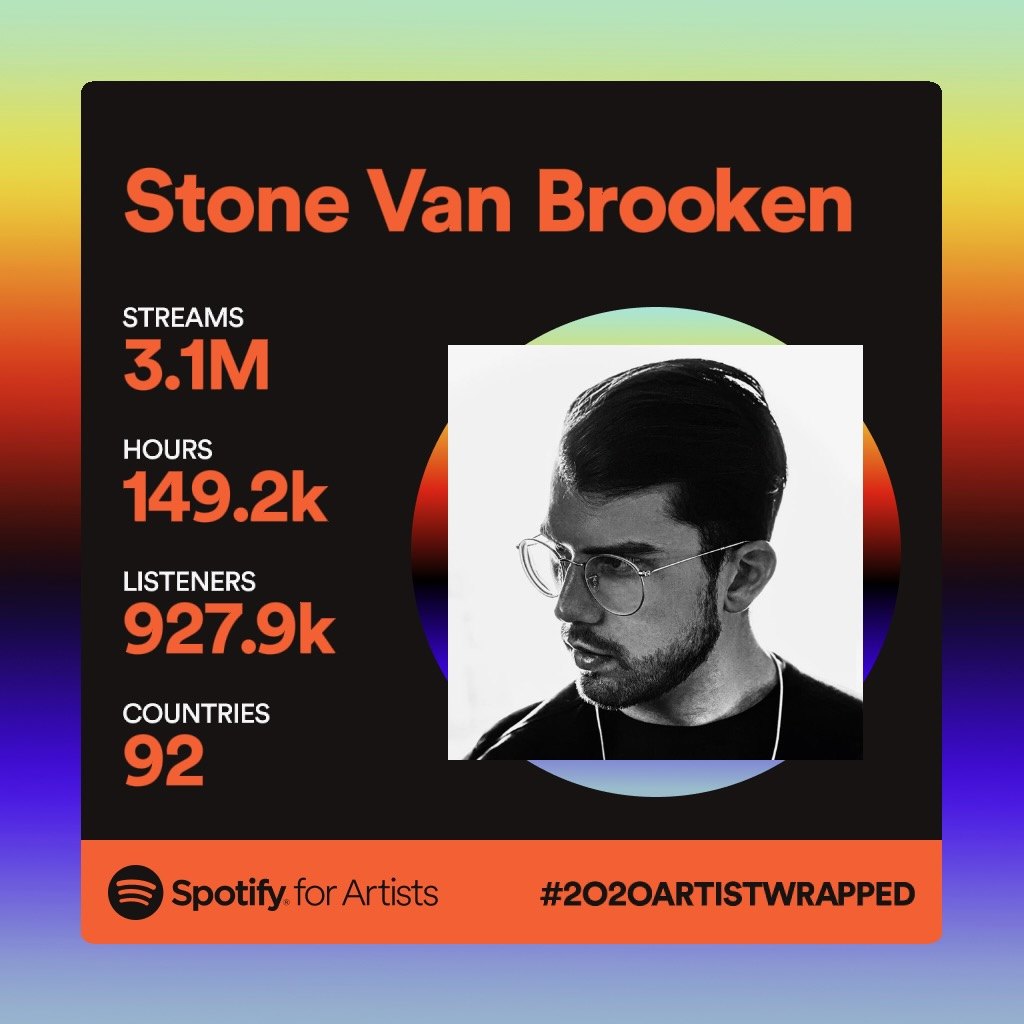
A second scale marker from the broader artist environment connected to Emie-era material.
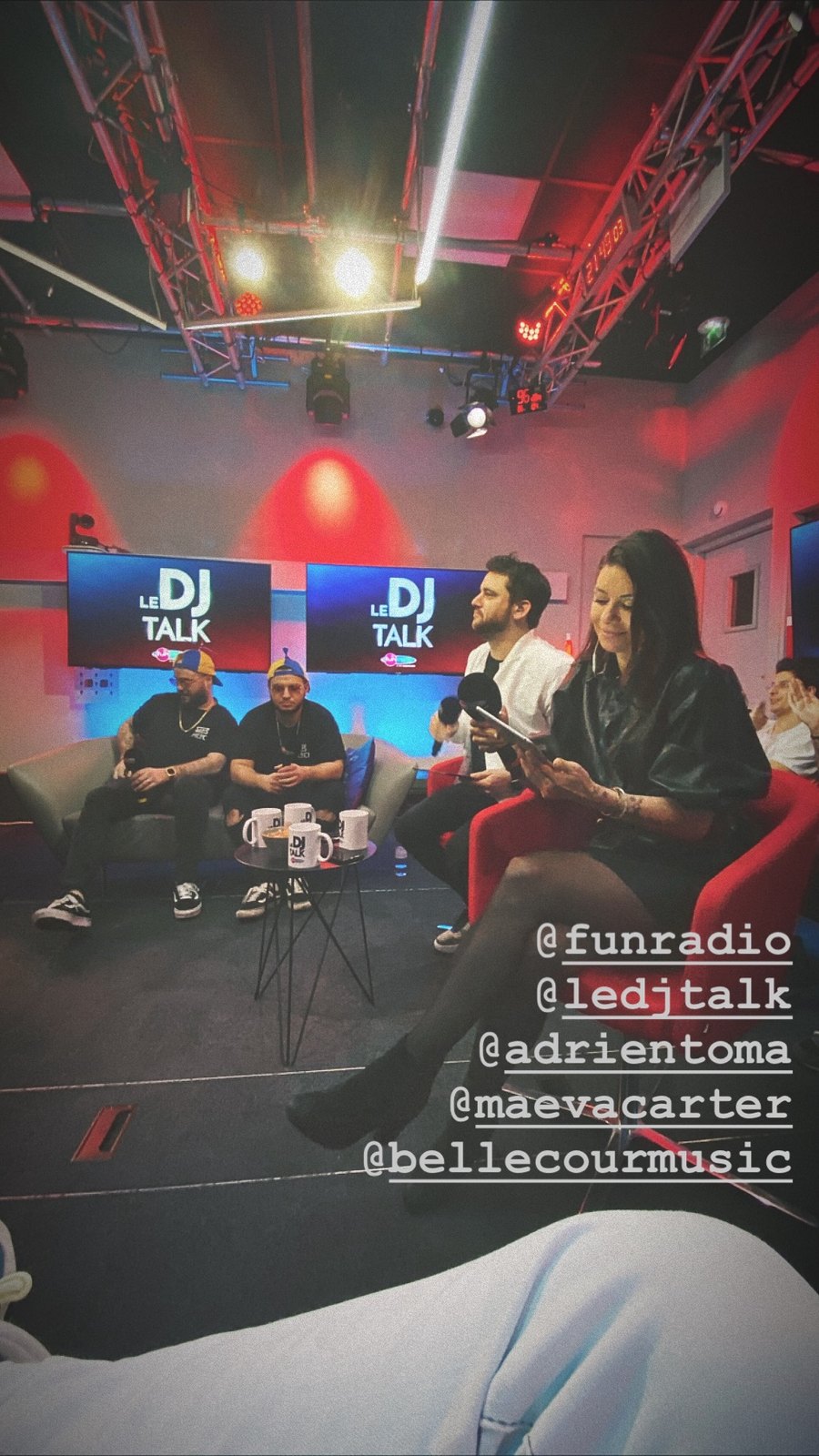
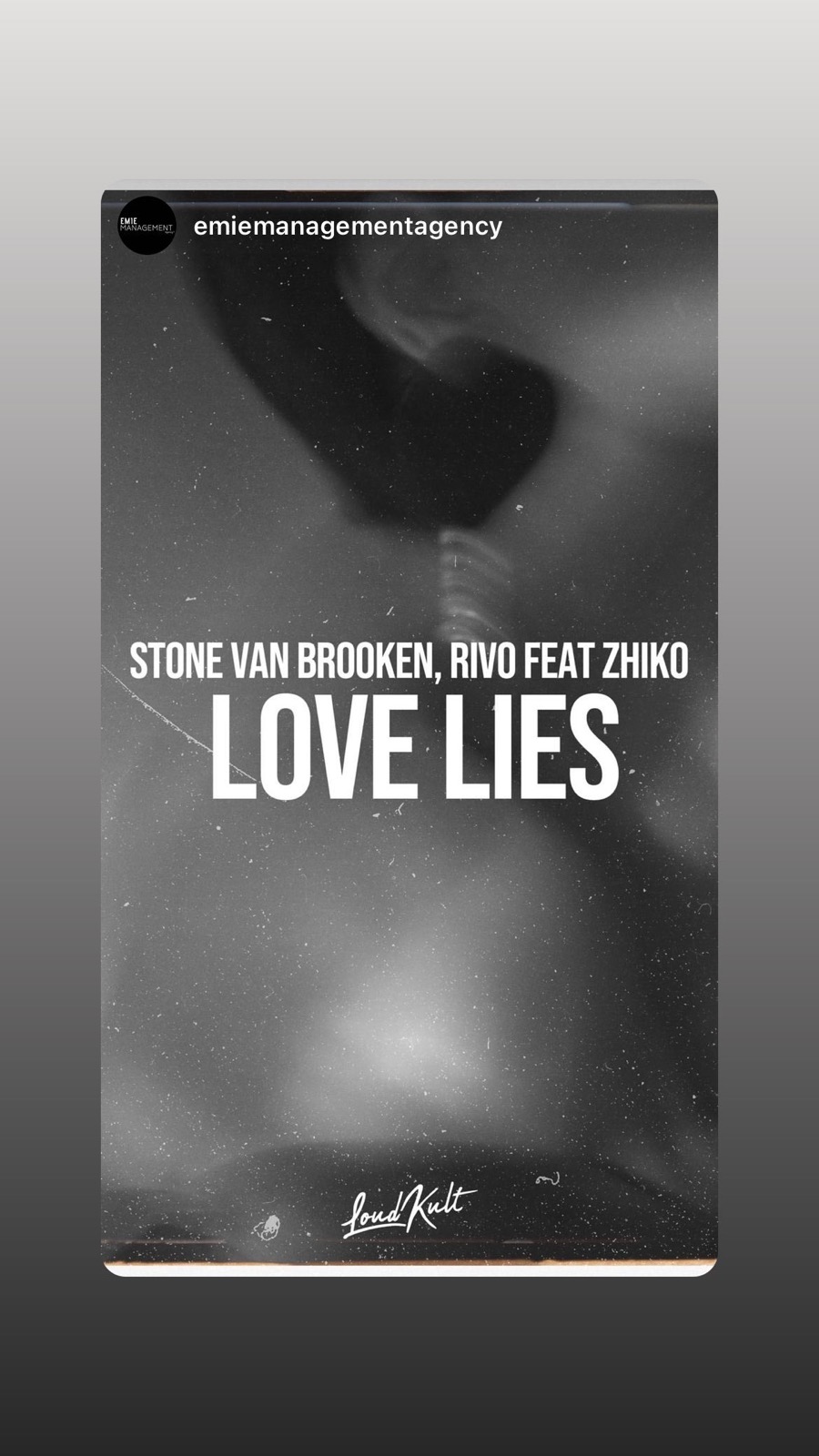
Useful because the work lived in public communication channels, not only internal files.

A video archive frame used carefully: it signals cultural access while the page still leads with the work and numbers.
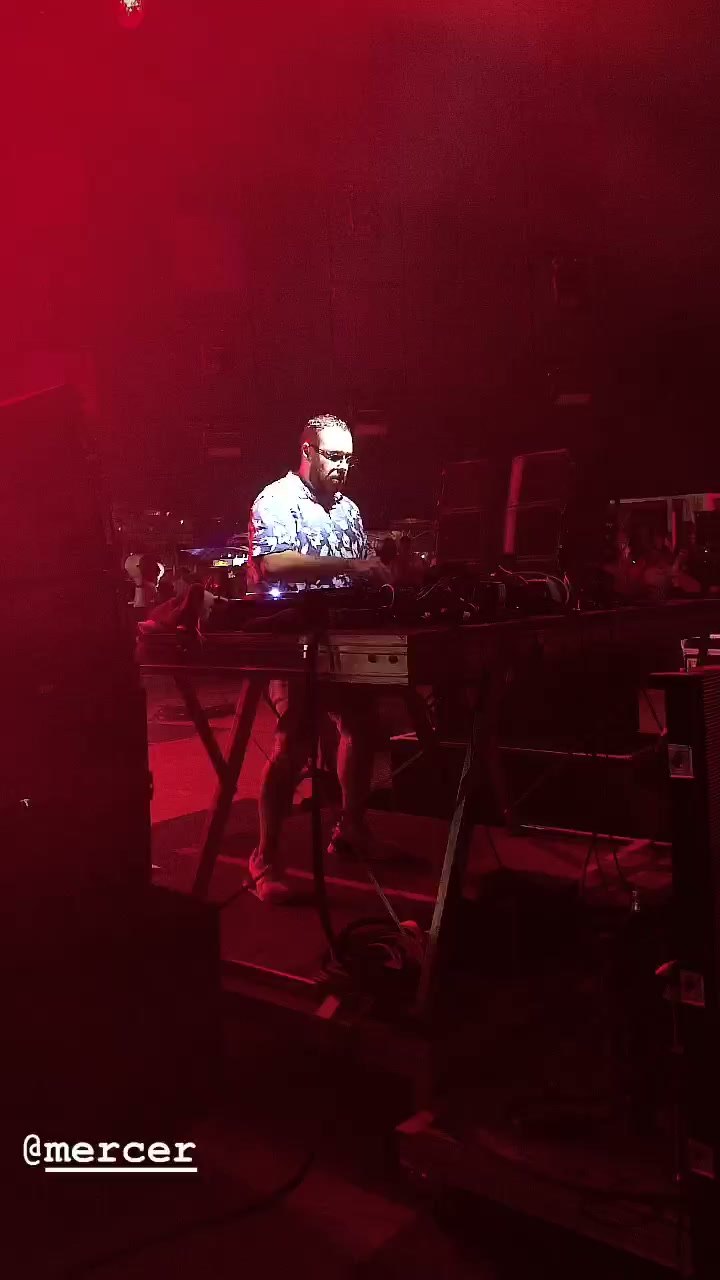
Supports the point that the music work sat inside a real scene of artists, events, and live audiences.

A wider live frame that gives employers a sense of the project environment without turning the page into a fan archive.
From assets to a partner-readable system.
This is where the document archive becomes useful storytelling: not a list of files, but evidence that the project had a visual system, public assets, traction, and partner-facing material.



Public-facing packaging that made the artist project easier for partners, media, and bookers to understand.
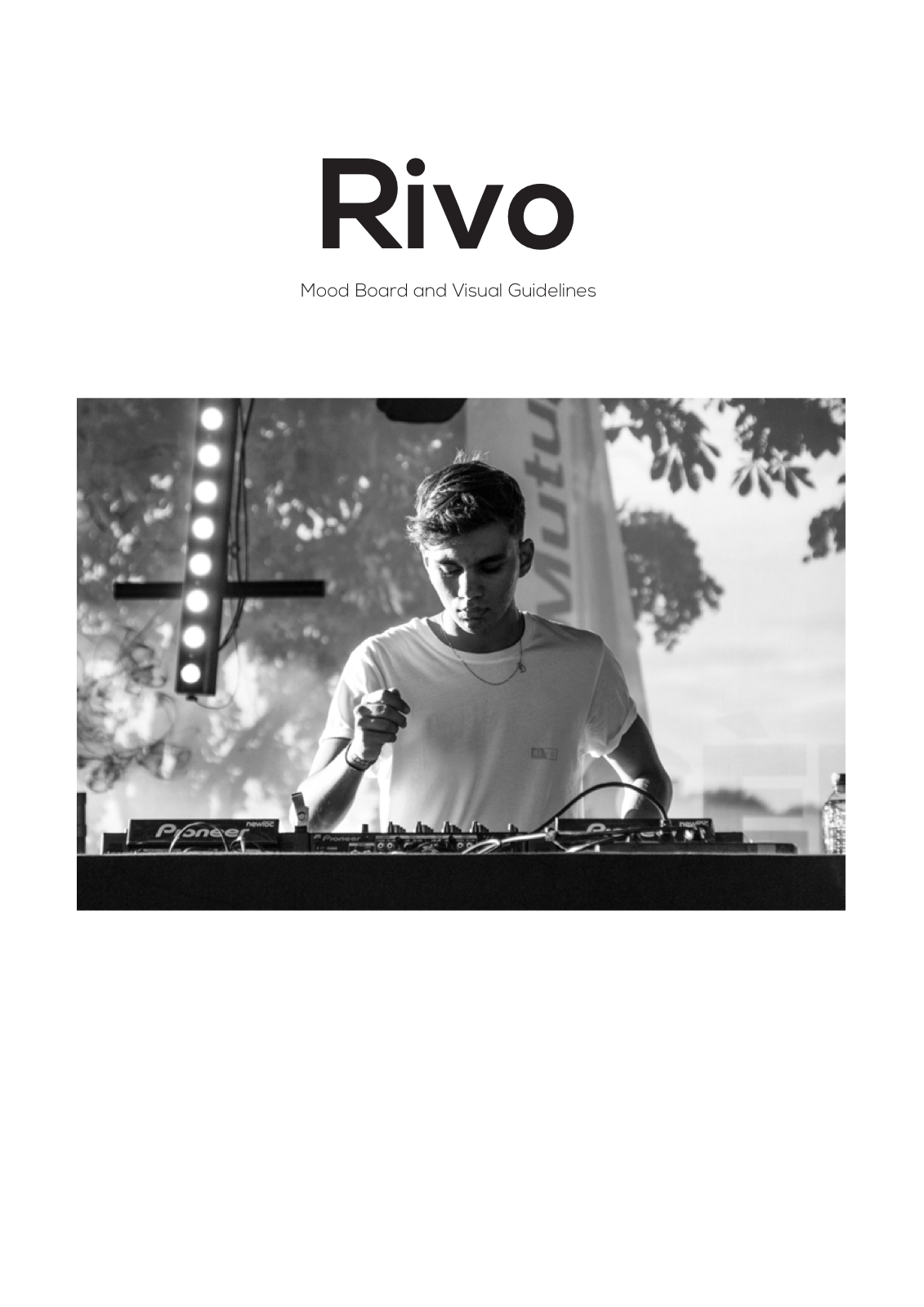
Evidence that the project was being treated as a coherent brand, not only as a series of releases.
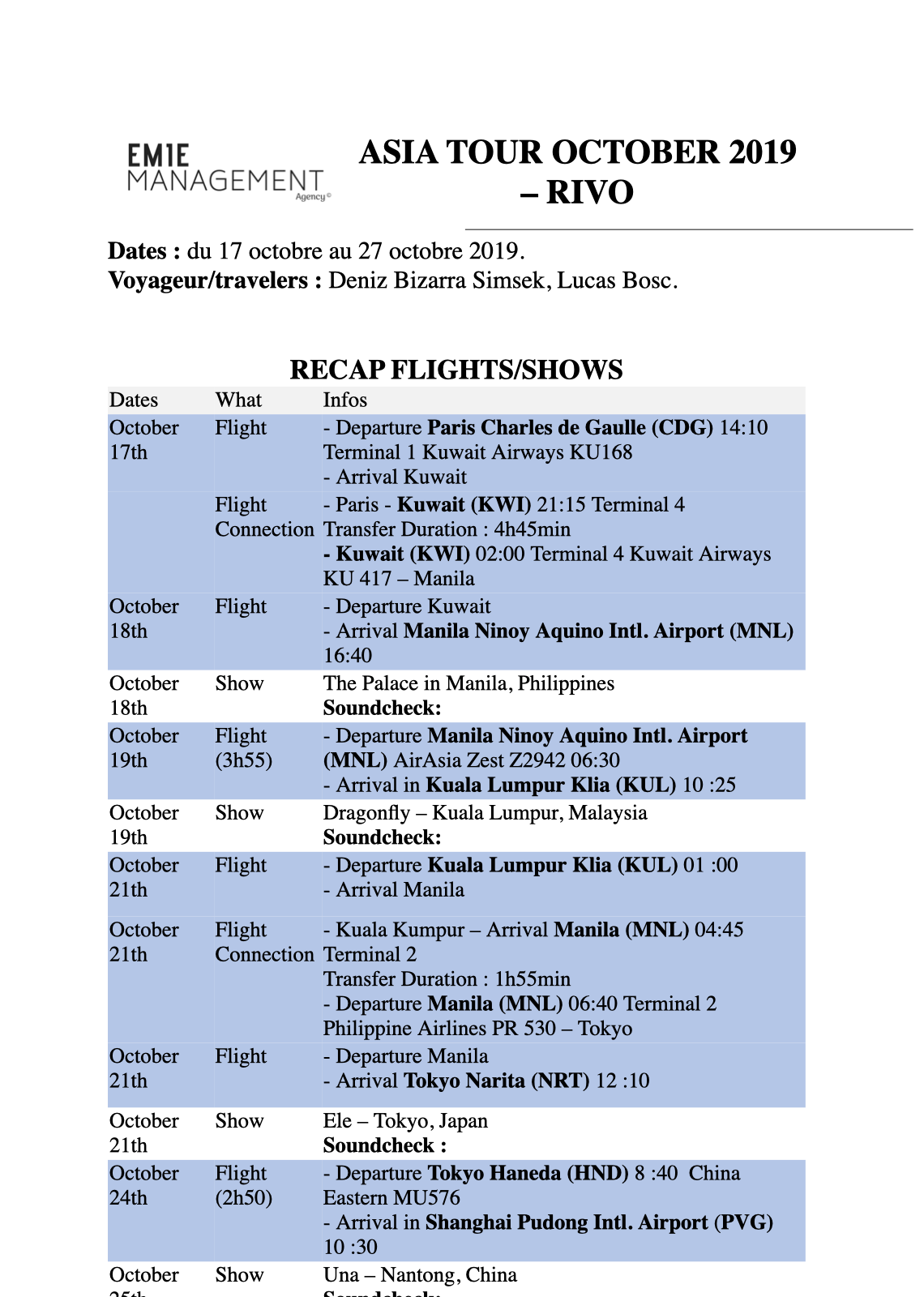
Operational and communication material around an international touring chapter.
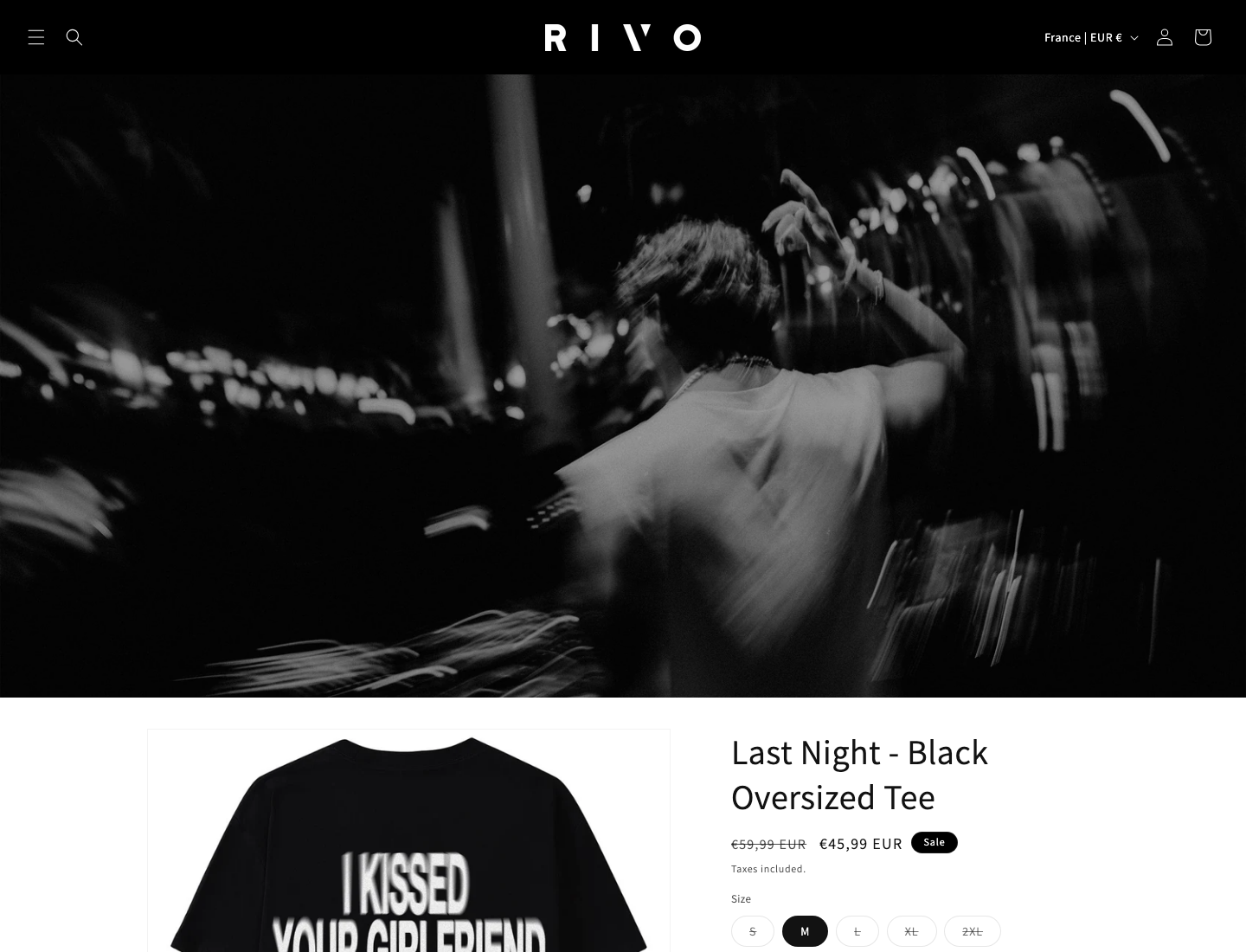
A public reference point for the artist ecosystem and the visual world around the project.
Social context from the work archive.
These are not decorative screenshots. They show launch communication, streaming traction, Emie/artist reposts, tour communication, content coordination, and scene context from Emie-era work.